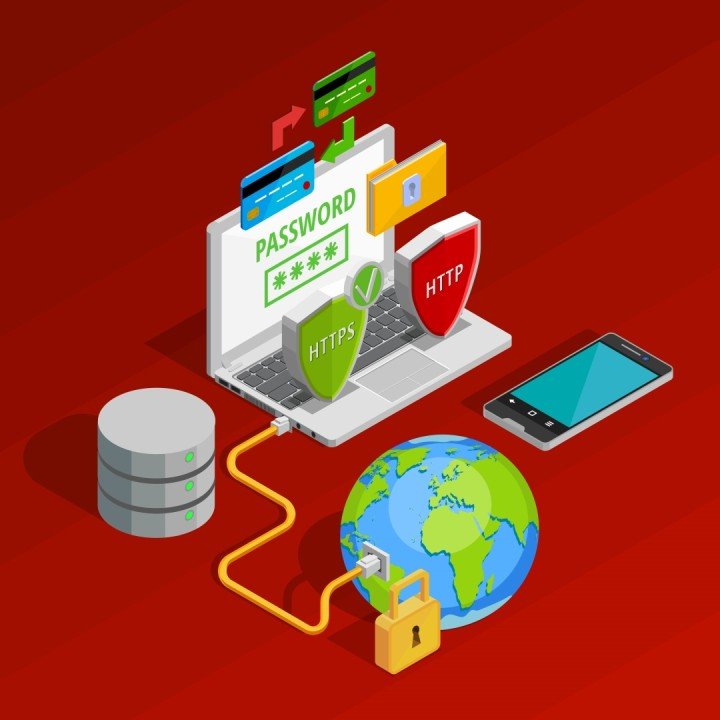
Difference between Endpoint Management and Endpoint Security
1. Meaning: Endpoint management focuses on maintaining and optimizing hardware, while endpoint security is all about protecting software and data.
2. Infrastructure Requirement: Endpoint management deals with the hardware infrastructure, such as PCs and mobile devices, while endpoint security is software-centric, protecting against cyber threats.
3. Different Skill Sets: Managing endpoints requires expertise in hardware, whereas securing endpoints demands knowledge of cybersecurity and software protection.
Overlaps in Endpoint Management and Endpoint Security
1. Alerts and Notifications: Both require systems to provide alerts and notifications for various events, whether it’s hardware issues or security threats.
2. Patch Management: Ensuring that both software and hardware are up-to-date with the latest patches to mitigate vulnerabilities.
3. Troubleshooting: Addressing and resolving issues, whether they relate to hardware malfunctions or security incidents.
4. Remote Connection: The ability to remotely access and manage endpoints, which is useful for both maintenance and security.
5. Reporting: Generating reports to track the status and performance of endpoints, critical for both management and security purposes.
6. Resource Allocation: Efficiently distributing resources, whether it’s processing power for hardware or allocating bandwidth for security tasks.
Why are Endpoint Management and Endpoint Security Important for Enterprises?
For new business owners, a combination of endpoint management and endpoint security is vital. Management ensures your hardware runs smoothly, while security safeguards your data from threats. Together, they create a robust IT infrastructure that is essential for business success, reliability, and data protection. Invest in both to secure your enterprise’s future.